Cute Farm Animal Coloring Pages for Kids
First Impressions: Charm That Translates Well to Stitch
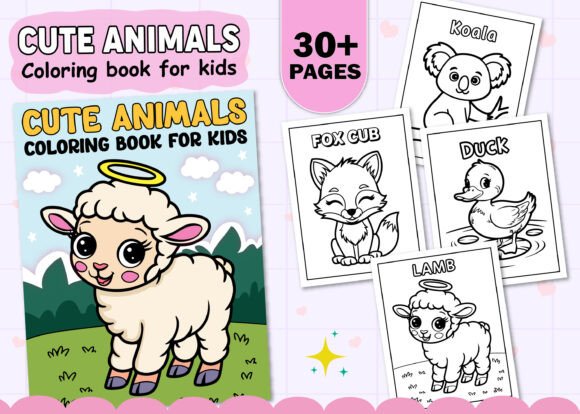
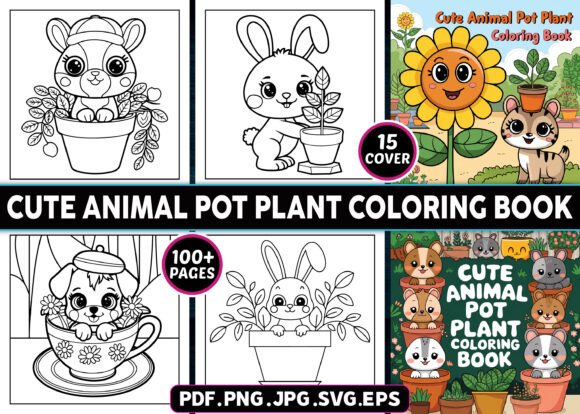
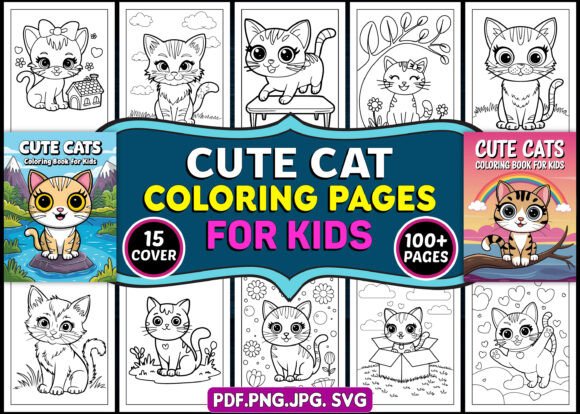
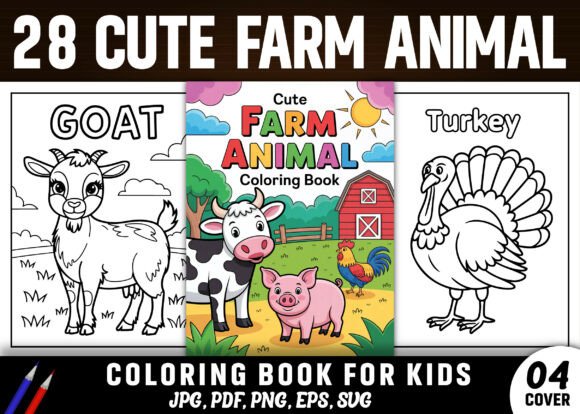
Opening the Cute Farm Animal Coloring Pages for Kids zip file, I immediately noticed the clean 8.5” x 11” layout and consistent 300 DPI resolution across JPG, PDF, PNG, SVG, and EPS formats. As an embroidery designer who regularly converts coloring-style graphics into machine embroidery designs, I looked first at line weight, spacing, and visual rhythm—not just cuteness. These aren’t overly intricate doodles; they’re friendly, confident outlines with generous interior space and gentle curves. Think pig with rosy cheeks, chick with fluffed feathers, sheep with soft wool swirls—each animal reads clearly at a glance, even when scaled down. That’s critical: this isn’t just a printable—it’s a design asset that *wants* to become a stitched patch, a baby onesie motif, or a kitchen towel border.
A Real-World Test: Embroidering a Personalized Tote for a Farm-Themed Birthday
Last week, I used one of the cow designs from Cute Farm Animal Coloring Pages for Kids to create a custom embroidered tote bag for a client’s toddler birthday party. I traced the outline into an embroidery digitizing software, added subtle satin stitch borders and light fill stitch for the ears and hooves, and kept the interior open for optional hand-coloring later. The result? A cheerful, tactile piece that felt handmade—not mass-produced. Parents loved how recognizable the cow was, even stitched in two thread colors on natural canvas. That clarity came directly from the original design’s intentional spacing and bold, unbroken lines. It didn’t get lost in fabric texture or shrink into ambiguity after stitching.
Where This Design Shines in Real Embroidery Projects
- Personalized gifts: Works beautifully on baby blankets, bibs, and onesies—especially when paired with simple monograms or names.
- Tote bags & tea towels: The 8.5” x 11” size gives flexibility—you can use full pages as panel prints or crop single animals for focal points.
- Embroidered patches: Clean outlines translate reliably to applique designs; minimal interior detail means lower stitch density and faster sew-outs.
- Sweatshirt & cap embroidery: When resized to 3–4”, the animals retain charm and legibility—no fuzzy edges or collapsed shapes.
- Digital product previews: PNG and SVG files make it easy to build realistic printable mockups for Etsy listings or small shop websites.
Where to Proceed Thoughtfully
This isn’t a “drop-in-and-stitch” file—it’s a starting point. Before committing to a finished product, consider these practical notes:
- Hoop size matters: Full-page layouts won’t fit standard 4” x 4” hoops. Plan cropping or multi-hooping for larger pieces like pillow covers or aprons.
- Fabric texture & stability: On loosely woven tea towels or stretchy knit baby bodysuits, use medium-weight cutaway stabilizer—those smooth outlines need support to stay crisp.
- Dark fabrics: The line art style works best with high-contrast thread (e.g., white or yellow on navy). Avoid pale pastels unless you’re stitching on cream or oatmeal linen.
- Curved surfaces: Caps and hats require careful placement—test the cow or pig head shape on a curved hoop mockup first. Simplified versions often stitch more cleanly than full-body scenes.
- Wash durability: For baby items or kitchen textiles, avoid ultra-thin interior fills. Stick to satin or running stitch outlines with strategic small-area fills—this holds up better over time.
Design Integrity Meets Commercial Practicality
What makes Cute Farm Animal Coloring Pages for Kids stand out among Kdp Interiors Graphics is its balance of warmth and usability. It doesn’t shout. It invites. That translates directly to customer trust: parents recognize sincerity in the drawing style, not generic clipart. For Etsy sellers and small shop owners, that authenticity lifts perceived value—handmade presentation starts with thoughtful source material. When your embroidered sweatshirt features a pig drawn with personality—not perfection—it tells a story before anyone reads the tag.
I’ve seen too many digital embroidery files fail because they prioritize complexity over clarity. This collection avoids that trap. There’s no tiny lettering to vanish in stitching, no dense fill areas that pucker thin cotton, no fragile legs or antennae that disappear under thread. Instead, there’s breathing room, intention, and quiet confidence—qualities that scale well across product types, from holiday embroidery on stockings to boutique branding on nursery wall hangings.
Essential Designer Notes Before You Stitch
- Test the design on scrap fabric matching your final project—canvas, terry cloth, or jersey—to gauge how lines hold up.
- Check thread color contrast early: what reads as bold on screen may fade on dark or textured backgrounds.
- Review stitch density if digitizing yourself—these outlines are forgiving, but tight corners or overlapping limbs need attention.
- Confirm your intended hoop size before scaling; don’t force a full 8.5” x 11” layout into a 5” hoop.
- Inspect small details at 200% zoom: eyes, nostrils, feet—do they simplify cleanly into stitchable shapes?
- Try black-and-white mockups first. If it reads without color, it’ll stitch with authority.
- Use proper stabilizer—especially for lightweight or stretchy fabrics. These designs rely on clean edges.
- Verify licensing terms before selling finished products or reselling digitized versions. Cute Farm Animal Coloring Pages for Kids is a Graphics asset—its commercial use depends on the license included in the download.
If you’re building a craft business around heartfelt, age-appropriate embroidery—or simply want to add joyful, reliable design assets to your workflow—Cute Farm Animal Coloring Pages for Kids earns its place in your library. Not because it’s flashy, but because it’s honest, adaptable, and quietly professional. It reminds us that sometimes the most effective embroidery designs begin not with stitches—but with a well-drawn line.